Dominican food in Punta Cana: what to try
- Lunch classic: la bandera, the plate of white rice, red beans and stewed meat that Dominicans eat most days.
- Breakfast: mangú, mashed green plantain with vinegar-softened red onions, often served with fried salami, cheese and eggs.
- Comfort food: sancocho, a thick stew of meats and root vegetables.
- Snacks: tostones and chicharrón, ideally with an ice-cold Presidente.
- Seasonal sweet: habichuelas con dulce, a creamy sweet bean dessert made mainly during Lent.
- Drinks to know: mamajuana, Dominican rum, strong local coffee and cacao.
Find a Punta Cana hotel close to local restaurants
Dominican food in Punta Cana is easy to miss. Many visitors spend a week moving between the buffet and the resort’s Italian and Japanese restaurants, then fly home without tasting a proper plate of la bandera or a bowl of sancocho. That’s a shame, because Dominican home cooking, known locally as comida criolla, is generous, comforting and inexpensive once you step outside the resort. This guide explains which dishes to order, how mamajuana is made and how to bring a bottle home, and where to find local food beyond the buffet without taking chances with your stomach.
What is Dominican food like?
Dominican cooking blends Taíno, Spanish and African roots, with plenty of rice, beans, plantains and root vegetables such as yuca and yautía. It is well seasoned rather than fiery: garlic, oregano, onion, sweet peppers and cilantro do most of the work, and hot sauce is usually optional. Lunch is the main meal of the day, so local eateries put out their best food around noon, and the day’s stews can run out by mid-afternoon.
Dominican food in Punta Cana: dishes to try
La bandera dominicana
“The flag” is the everyday lunch plate: white rice, red beans stewed with herbs and a portion of braised meat, most often chicken (pollo guisado) or beef (res guisada), with a simple salad and sometimes fried plantains. Local eateries sell it as the plato del día, and it is usually the best-value meal you’ll find. Ask for some concón too, the crisp layer of rice from the bottom of the pot that many Dominicans consider the best part.
Sancocho
Sancocho is a thick, slow-cooked stew of meat and root vegetables such as yuca, ñame, yautía, green plantain and squash, served with white rice and slices of avocado on the side. The festive version, sancocho de siete carnes, uses seven different meats and is cooked for family gatherings and celebrations. It’s very filling, so consider sharing a bowl.
Mangú and los tres golpes
Mangú is boiled green plantain mashed with butter or oil and a splash of the cooking water, topped with red onions softened in vinegar. It is the classic Dominican breakfast, and when it comes with fried salami, fried cheese and a fried egg it becomes los tres golpes, “the three hits”. Resort breakfast buffets in Punta Cana often include mangú, which makes it the easiest local dish to try; if you don’t see it, ask the cooks.
Tostones
Tostones are slices of green plantain fried, flattened and fried again until crisp outside and soft inside, then salted. They come with almost everything, especially fried fish on the beach, often alongside a garlicky dip or a ketchup-and-mayonnaise sauce. Ripe plantains fried until sweet and caramelized are a different side, usually called plátanos maduros.
Chicharrón
Dominican chicharrón is pork, usually belly with the skin on, fried until the skin puffs and crackles. It’s sold at roadside stands and casual eateries and eaten with tostones, fried yuca and lime. Chicharrón de pollo, bite-size chunks of chicken marinated in lime and garlic and then fried, is a lighter alternative that shows up on many local menus.
Habichuelas con dulce (seasonal)
This unusual dessert is a sweet, creamy, almost drinkable pudding of red beans cooked with milk, coconut milk, cinnamon and sugar, often topped with small cookies or raisins. It is tied to Lent: Dominican families traditionally make it on Ash Wednesday and during Holy Week, so you’re most likely to find it between February and April. Outside that season, look for other local sweets such as dulce de leche, coconut candies or majarete, a creamy corn pudding.
More local favorites
- Moro de guandules: rice cooked with pigeon peas, a common side dish.
- Locrio: a one-pot rice dish with chicken, sausage or seafood, the Dominican cousin of paella.
- Pescado frito: whole fried fish, often snapper, with tostones and lime.
- Chimi: the Dominican street burger on soft bread with shredded cabbage and sauce, sold from evening food trucks.
- Pica pollo: Dominican-style fried chicken, served with tostones or fries.
- Yaniqueques: crisp discs of fried dough sold at the beach.
What to drink: Presidente, mamajuana and Dominican coffee
Presidente beer and Dominican rum
Presidente, a light pilsner made by Cervecería Nacional Dominicana and introduced in 1935, is the country’s best-known beer, and locals like it as close to frozen as possible. Rum is the other national staple: Brugal, Barceló and Bermúdez are the big Dominican names, mixed with cola and lime or sipped over ice. For something without alcohol, order a morir soñando, orange juice whisked with milk, sugar and ice, or a fresh juice of chinola (passion fruit).
Mamajuana: what it is and how it’s made
The official Dominican tourism site calls mamajuana arguably the country’s most important national drink after rum. It starts as a bottle packed with dried tree bark, roots and herbs; common ingredients include anamú, bohuco pega palo, clavo dulce, timacle and canelilla, with clove, cinnamon or star anise in some blends. The botanicals are steeped in dark rum, red wine and honey for at least a week, producing a deep red-brown drink that tastes a little like spiced port. Recipes vary from family to family, and the herbal tradition is usually traced to Taíno remedies, with alcohol added after the Spanish arrived.
Many home recipes first soak the dry mix in inexpensive rum or wine for a week or so to soften its bitterness, pour that off and then add the final blend of rum, wine and honey. The same botanicals can be topped up several times before they lose their flavor. Bottled commercial brands such as Candela or Kalembú are ready to drink; Candela, for example, is bottled at 30 percent alcohol. Mamajuana is usually sipped as a small shot at room temperature or slightly chilled. Its reputation as a cure-all and aphrodisiac is folklore rather than science, and you should never buy a version that claims to contain sea turtle or other protected animal parts.
Dominican coffee and cacao
Dominicans drink their coffee strong, sweet and in small cups, traditionally brewed in a stovetop greca. The everyday supermarket brand is Café Santo Domingo, while specialty beans come from mountain regions such as Jarabacoa and Barahona. The country is also one of the world’s leading exporters of organic cacao, so local chocolate is worth tasting; our chocolate workshop and museum guide covers a hands-on option in Punta Cana. Coffee and chocolate make light, easy souvenirs, and our Punta Cana souvenir shopping guide explains where to buy them.
How to buy mamajuana and bring it home
- Filled or dry? Filled bottles are ready to drink. Dry curing bottles contain only the botanicals, so they’re lighter and you add the rum, wine and honey at home.
- Where to buy: supermarkets usually have the best prices on bottled brands, followed by markets and resort gift shops; our Punta Cana grocery shopping guide lists the main stores. At markets, buy from vendors who can tell you what’s in the bottle.
- Pack it in checked luggage. Bottles over 100 ml can’t pass airport security in your carry-on unless bought in the duty-free zone after security. Wrap them in clothes inside a hard-shell case.
- US travelers: CBP lets you include two liters of alcohol in the US$800 duty-free exemption when returning from the Dominican Republic, as long as one liter was produced there, and you must be 21 or older. Declare dry botanical kits on the agricultural question, because roots and bark are plant products and inspectors decide what is admissible.
- Canada, Europe and elsewhere: alcohol allowances are often lower and vary by country, so check your customs authority’s rules before buying several bottles.
Declare it if in doubt
US Customs and Border Protection can fine travelers up to US$1,000 for a first offense of failing to declare prohibited agricultural products, while items that are declared and turn out to be inadmissible are simply taken away. A sealed, commercially bottled mamajuana is the least complicated choice.
Where to eat Dominican food beyond the buffet
Start at your resort
The buffet is not the enemy. Many all-inclusives run a Dominican-themed night or keep a local corner with rice and beans, stews and plantains. Ask your server or guest relations which day the Dominican dishes appear, and read our Punta Cana all-inclusive dining guide for how à la carte reservations and dress codes work. Food-focused travelers should also see our pick of the best all-inclusive resorts for foodies.
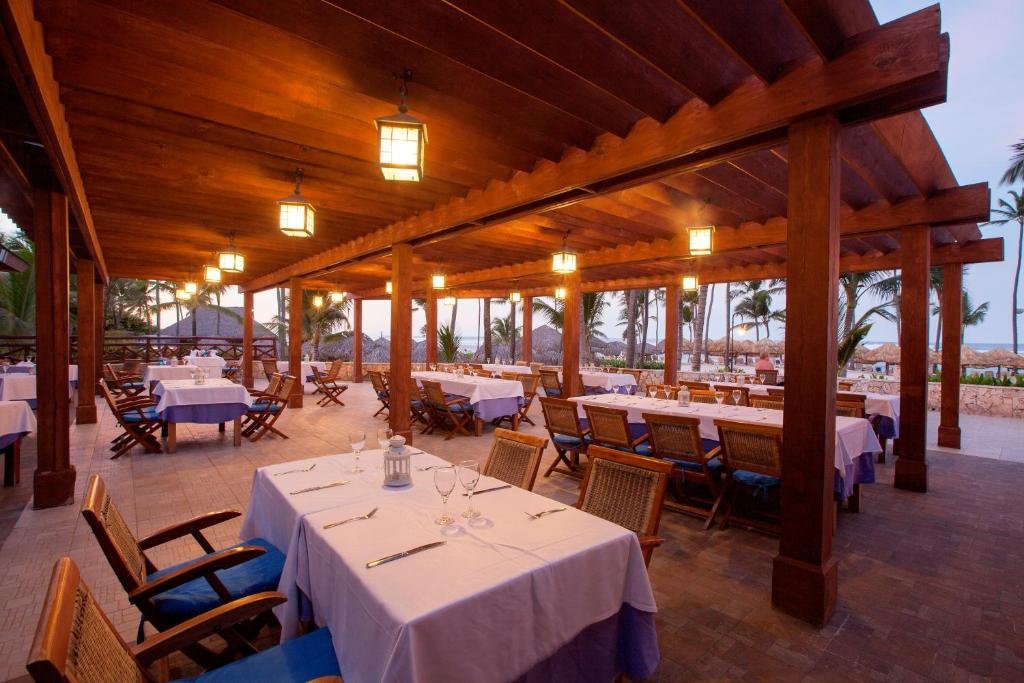
Local comedores in Bávaro and El Cortecito
A comedor is a simple, often family-run eatery serving a changing plato del día at lunchtime, usually la bandera with a choice of stewed meats, plus soups such as sancocho on some days. You’ll find them where locals live and work, in neighborhoods such as Friusa and around El Cortecito in Bávaro, and prices are usually far below tourist restaurants. Go between noon and 1 pm, point at what looks good and pay in Dominican pesos; our Punta Cana currency guide explains when pesos beat dollars.
Two long-running names come up again and again. Capitán Cook, a casual, thatch-roofed seafood spot right on the sand in El Cortecito, lets you choose your fish and cooks it on outdoor grills; it’s popular with visitors and priced accordingly, but it’s a classic for fresh fish with tostones. La Casita de Yeya is a small local group serving Dominican home cooking such as la bandera and fried fish, with branches around Punta Cana and Bávaro. Hours and addresses change, so check a map app before you go, and browse our El Cortecito beach walk guide and best beachfront restaurants in Punta Cana for more ideas.
Street food, chimi trucks and colmados
In the evening, chimi trucks and fry stands appear along the main roads, and the neighborhood colmado, a corner shop that doubles as an informal bar, is where locals share a large bottle of Presidente with music in the background. Small-group food tours in Bávaro, which link several local stops with a host, are a comfortable introduction for first-timers.
Is it safe to eat local food in Punta Cana?
Generally yes, with the same common sense you’d use anywhere in the tropics. Choose busy places with high turnover, order food that is cooked fresh and served hot, and be more careful with salads, cut fruit and anything that has been sitting in the sun. Don’t drink tap water; ask for bottled water instead. Established restaurants and resorts typically use purified water for ice, but if a street stand looks doubtful, skip the ice. Our Punta Cana drinking water and buffet safety guide goes into more detail, including what to pack in case your stomach objects.
Our take on Dominican food in Punta Cana
Eat at least one local lunch. A plate of la bandera at a comedor, a fried fish with tostones in El Cortecito and a mangú breakfast will tell you more about the Dominican Republic than a week of buffet pasta. Finish with a small glass of mamajuana, take home coffee or chocolate, and keep the drinking water rules in mind.
Frequently Asked Questions
What is the most popular Dominican dish?
La bandera dominicana, the lunch plate of white rice, red beans and stewed meat, usually chicken or beef, with salad. Dominicans eat it most days, and local comedores in Punta Cana serve it as the plato del día at lunchtime.
What does mamajuana taste like, and is it strong?
Mamajuana tastes woody, herbal and sweet, a little like spiced port wine. Bottled versions are generally somewhere between wine and rum in strength; Candela, for example, is 30 percent alcohol, while homemade batches vary. Sip it in small shots.
Can I bring mamajuana back to the United States?
Yes. Adults 21 and over can include two liters of alcohol in the US$800 duty-free exemption when returning from the Dominican Republic, provided one liter was produced there. Pack bottles in checked luggage, and declare dry kits of roots and bark as agricultural products.
Where can I try Dominican food near my resort?
Start with your resort’s Dominican night or buffet station, then try a local comedor at lunchtime in areas such as Friusa or El Cortecito in Bávaro. Small-group food tours are an easy way to taste several local dishes with a guide.
When can I find habichuelas con dulce?
Mostly during Lent, from Ash Wednesday to Holy Week, which usually falls between February and April. Outside that period it is hard to find, so try other Dominican sweets such as dulce de leche or majarete instead.
Is Dominican food spicy?
Not usually. Dominican cooking relies on garlic, oregano, onion, sweet peppers and cilantro rather than chili heat. Hot sauce usually comes on the side.