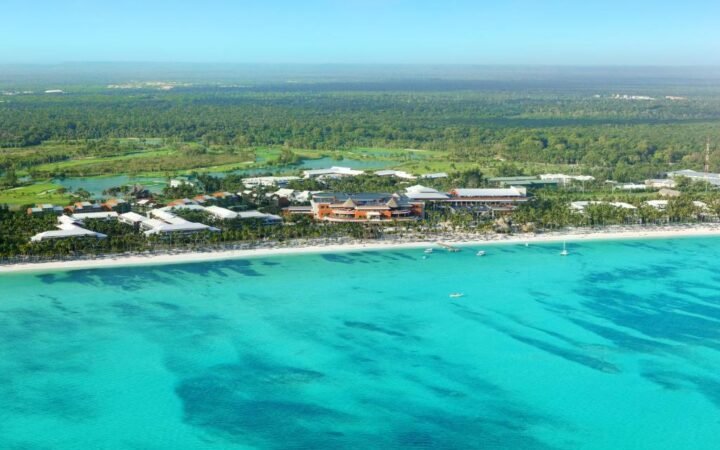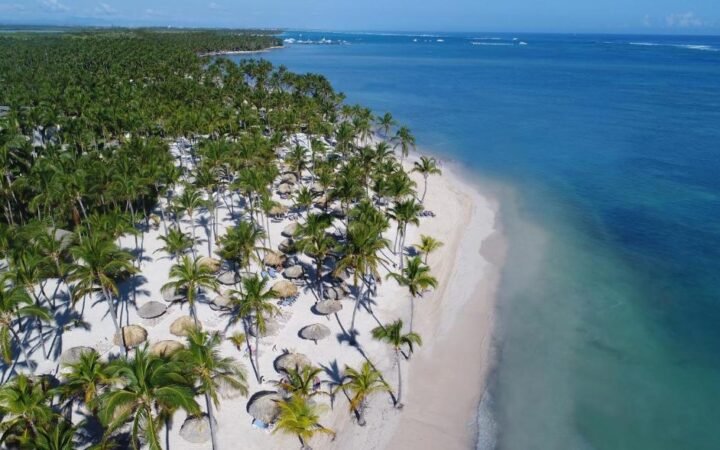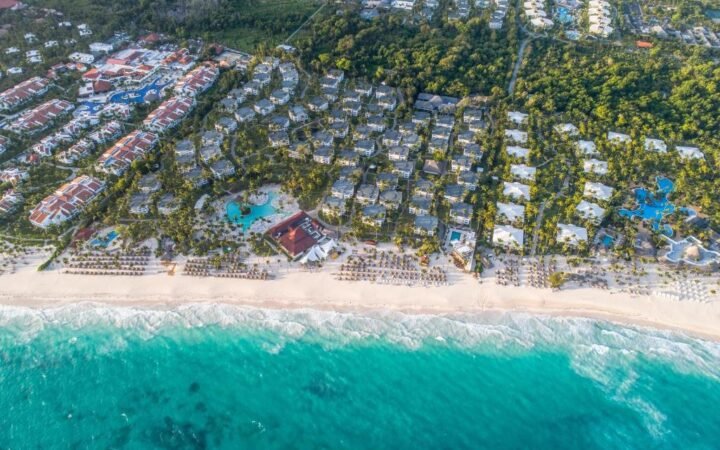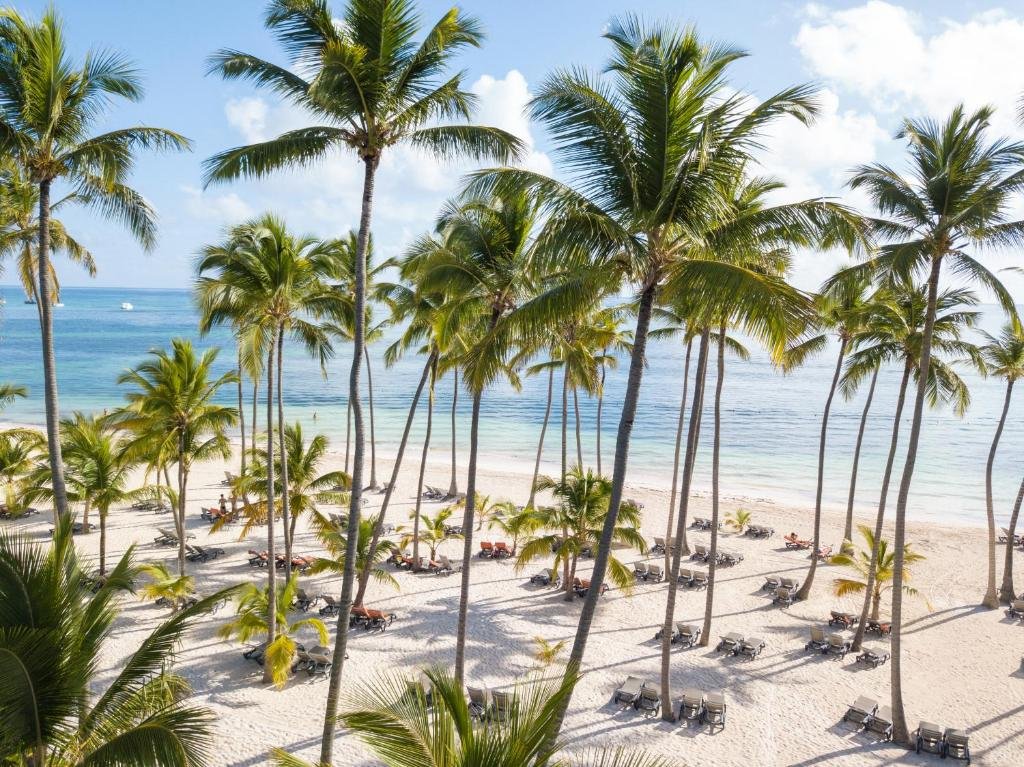
Catalina Island day trip at a glance
- What it is: a Catalina Island day trip takes you to a small, uninhabited protected island about 2 km off the coast of La Romana, on the Caribbean side of the Dominican Republic.
- Getting there: roughly 1 to 1.5 hours by road from Bávaro to La Romana, then about 30 to 50 minutes by boat.
- How long: plan on 9 to 12 hours from hotel pickup to drop-off.
- Highlight: snorkeling over the shallow reef terrace at the Wall, then beach time and a buffet lunch.
- Price guide: standard group catamaran tours from Punta Cana were listed at roughly US$75 to US$100 per adult at the time of writing.
- Best for: snorkelers and anyone who wants a calmer, less crowded alternative to Saona.
Find your Punta Cana base before booking excursions
A Catalina Island day trip from Punta Cana trades the busy party-boat circuit for a small, quiet island off the Caribbean coast near La Romana. You spend about as long on the road as you would for Saona, but the reward is different: clear, generally calm water, a reef that drops into deep blue at a site called the Wall, and a beach that feels less crowded on most days. This guide explains where the island is, how long the day really takes, what tours usually include, where you snorkel and how Catalina compares with Saona, so you can decide whether it deserves a full day of your vacation.
Prices, timings and inclusions below come from operator listings and dive-center pages we reviewed in 2026. They change often, so treat them as a planning guide and confirm the details with whoever you book. If you are still choosing between excursions, start with our overview of the best Punta Cana excursions.
Where is Catalina Island?
Isla Catalina lies roughly 2 km (just over a mile) off the southeast coast of the Dominican Republic, opposite the city of La Romana and the Casa de Campo resort area. Nobody lives there and there are no hotels: the island is protected as the Isla Catalina Natural Monument (Monumento Natural Isla Catalina), and its shoreline mixes sandy beaches, dunes, mangroves and fringing reef. Christopher Columbus is recorded as visiting in May 1494 and naming it Santa Catalina.
The key difference from your hotel beach is the sea. Punta Cana faces the Atlantic, while Catalina sits on the Caribbean side of the country, which dive operators describe as generally calmer and clearer. That is why Bávaro dive shops take their snorkelers and divers here instead of staying local. The island is also used as a beach stop by some cruise ships calling at La Romana, so expect more people on cruise days.
How long does a Catalina Island day trip take?
Longer than most people expect. The crossing itself is short, but La Romana is roughly 1 to 1.5 hours by road from Bávaro, mostly on the Autovía del Coral highway, and further still from Uvero Alto or Macao in the north. Group tours generally quote 9 to 10 hours door to door, and dive-center trips commonly run from around 7 am to 6 pm.
A typical schedule
- 7:00 to 8:00 am: hotel pickup by bus or minibus. Times depend on your hotel zone, and some operators charge extra outside Bávaro.
- Mid-morning: board at La Romana and cruise to the island, about 30 to 50 minutes depending on the boat and the sea.
- Late morning: snorkel stop over the reef, often around 30 minutes in the water on big catamaran tours.
- Midday: beach time on the island with a buffet lunch and an open bar.
- Mid-afternoon: sail back to La Romana and ride to your hotel, usually arriving between 5 and 6 pm.
Is the long drive worth it?
It depends on how long you are staying. On a four-night trip, a 10-hour excursion is a big slice of your holiday, and you face the same road time for Saona. If you mainly want a quick snorkel and a party vibe, a half-day Punta Cana catamaran and snorkel tour leaves from the beach in Bávaro and gets you back for lunch. Catalina earns the drive when water clarity and a proper island day matter more to you than an extra afternoon at the pool.
What do Catalina Island tours usually include?
Group tours are surprisingly similar from one operator to the next. Based on the listings we compared, a standard day typically includes:
- Round-trip hotel transfer by air-conditioned bus or minibus (check that your hotel zone is covered)
- A catamaran crossing from La Romana, often with music and onboard entertainment
- Mask, snorkel and fins, plus a guided stop on the reef
- Admission to the protected island
- A buffet lunch with Dominican dishes on the beach
- An open bar with water, soft drinks, beer and rum
Usually not included: tips for the crew and guide, photo and video packages, souvenirs and sometimes transport from distant hotel zones. Bring some small bills for these; our Punta Cana tipping guide explains how tipping works locally.
Big catamaran or dive-center trip?
Large catamarans focus on music, drinks and beach time, with one snorkel stop. Dive centers run a quieter version on smaller boats, usually with two snorkel stops on different reefs, or two guided dives for certified divers. One Bávaro dive center we checked listed its Catalina day at about US$100 for snorkelers and about US$220 for a two-tank dive, both including lunch, drinks and hotel transport, on set weekdays only. Another operator runs its Catalina boats from Bayahibe and adds a buffet lunch on the banks of the Chavón River with a short river cruise.
Private catamarans and speedboats
Private charters to Catalina are also sold, usually priced per boat rather than per person. They suit families and groups who want to choose their own snorkel stops and timing. Before paying, ask in writing whether transfers, lunch, drinks and the island admission are included, how many passengers the boat carries and what happens if the weather turns.
Snorkeling at Catalina Island: the Wall and the Aquarium
The Wall is the site most tours advertise. It starts as a shallow reef terrace, roughly 1.5 to 6 m (5 to 20 ft) deep and covered in sponges and coral, then drops off steeply into deep water. Snorkelers stay over the terrace, where the light is best; divers follow the wall itself, where sea fans, gorgonians and larger sponges grow on the vertical face. Dive operators note some surge here, so it suits confident swimmers best.
The Aquarium is a sheltered coral garden named for the sheer number of reef fish. Dive operators place it at roughly 8 to 12 m (26 to 40 ft), so it is mainly a dive site rather than a snorkel stop, although the shallower reefs around the island show similar fish life. Rays, turtles and moray eels are possible but never guaranteed. Which reef your boat visits depends on the operator and the day’s conditions, so ask before booking if the Wall matters to you.
History fans may also hear about the wreck identified in 2007 as the Quedagh Merchant, the ship pirate William Kidd left behind in 1699, which lies in shallow water just off Catalina. Indiana University dedicated the site as an underwater archaeological preserve in 2011. Standard catamaran tours don’t usually stop there, so ask a dive center if you want to see it. For reefs closer to your hotel, see our guide to the best snorkeling and scuba diving spots in Punta Cana.
Snorkel smart on the reef
Wear the life vest if you are not a strong swimmer, don’t stand on or touch the coral, and take seasickness medicine before boarding rather than after you feel ill. Pack reef-safe sunscreen and a rash guard, because you will be floating face-down in strong sun.
Not ready for a 10-hour day? Some Punta Cana beaches are sheltered by offshore reefs too, although the water there is usually less clear than on the Caribbean side.
Catalina Island vs Saona: which day trip is better?
Saona is the Dominican Republic’s best-known island excursion, and both trips start with a similar drive west from Punta Cana. Here is how they compare:
| Catalina Island | Saona Island | |
|---|---|---|
| Location | About 2 km off La Romana | Off Bayahibe, inside Cotubanamá National Park |
| Size | Small and uninhabited | Large (about 110 km²) with a small fishing village |
| Main departure | La Romana (some dive trips from Bayahibe) | Bayahibe |
| Drive from Bávaro | About 1 to 1.5 hours | About 1 to 1.5 hours |
| Signature stop | Snorkeling at the Wall | The shallow natural pool on a sandbank |
| Crowds | Usually quieter, busier on cruise days | Very popular, busy beaches in high season |
| Best for | Snorkelers and a calmer day | Postcard beaches and first-time visitors |
Choose Saona if you want the classic images: long palm-lined beaches and the waist-deep natural pool in the middle of the sea. Our Saona Island day trip guide compares the standard catamaran, VIP and speedboat options. Choose Catalina if snorkeling is the priority, you dislike crowds or you have already done Saona on a previous visit.
Pros
- Clearer, calmer Caribbean water than most Punta Cana snorkel spots
- Short boat crossing once you reach La Romana
- Usually less crowded than Saona
- Easy to combine with Altos de Chavón
Cons
- Long day, with roughly 2 to 3 hours on the road in total
- The snorkel stop on big catamarans can be short
- Beach areas get busier on cruise-ship days
- No natural pool like the one off Saona
Can you combine Catalina Island with Altos de Chavón?
Yes. Altos de Chavón, the stone village built above the Chavón River inside Casa de Campo, is a short drive from La Romana, and several operators sell Catalina and Altos de Chavón combinations from Punta Cana. Expect a longer day and less beach time, because the village visit is usually a short guided walk on the way back. Some dive-center itineraries also return along the Chavón River, so you see the village on its cliff from the water.
Our Altos de Chavón day trip guide covers what to see there. If you like the south coast enough to stay a few nights, read our Punta Cana vs Bayahibe and La Romana comparison before you book.
Tips before you book a Catalina day trip
- Book with an established operator or through your resort’s tour desk, and read recent reviews. Our Punta Cana safety guide explains what to check.
- Confirm your pickup time and zone. Pickups in Uvero Alto, Macao or Cap Cana can cost extra or start earlier.
- Read the cancellation terms. Many online listings allow free cancellation up to 24 hours ahead, but some require 48 hours.
- Watch the weather. Boats can be delayed, rerouted or cancelled in rough seas; see our Punta Cana weather by month guide for the rainy and hurricane seasons.
- Pack light: swimsuit, towel, hat, sunglasses, photo ID, cash for tips and photos, and a waterproof pouch for your phone.
- Ask about restrictions. Some operators don’t accept children under 3, pregnant travelers or guests with limited mobility.
- Avoid the day before your flight. A late return is stressful, and divers need a gap between diving and flying.
Is a Catalina Island day trip worth it?
If snorkeling is high on your list, yes. Catalina gives you clearer Caribbean water and a reef you won’t find off Bávaro, with fewer people than Saona on most days. If you want the classic natural-pool photos, or you only have a few days, Saona or a half-day catamaran from Bávaro may suit you better. Compare it with the rest of our things to do in Punta Cana before you commit a full day away from the beach.
Frequently Asked Questions
How far is Catalina Island from Punta Cana?
The island itself is about 2 km off La Romana, but getting there from Bávaro takes roughly 1 to 1.5 hours by road plus a 30 to 50 minute boat ride. With snorkeling, lunch and the return, most tours last 9 to 12 hours from hotel pickup to drop-off.
Is Catalina Island better than Saona for snorkeling?
Generally, yes. Catalina is known for its reef sites, especially the shallow terrace at the Wall, and dive centers choose it for its calmer, clearer Caribbean water. Saona’s highlights are its beaches and the natural pool rather than coral reefs.
What should I bring on a Catalina Island day trip?
Bring a swimsuit, towel, hat, sunglasses, reef-safe sunscreen, a photo ID, cash for tips and a waterproof phone pouch. If you get seasick, take medication before you board. Snorkel gear is normally provided, but you can bring your own mask if you prefer.
Can non-swimmers go on a Catalina Island tour?
Yes. Life vests are provided for the snorkel stop, and you can stay on the boat if you prefer. The island has sandy beaches for relaxing, but always tell the crew if you can’t swim and stay in shallow water close to shore.
Is lunch included on Catalina Island tours?
On most group tours, yes: a buffet lunch on the island plus an open bar with soft drinks, beer and rum. Dive-center trips also usually include lunch and drinks. Always check the listing, because budget or private options may differ.