Best beaches in Punta Cana at a glance
- Calmest swimming: Juanillo in Cap Cana, the reef-sheltered southern end of Bávaro and shallow Cabeza de Toro.
- Best for walking and local life: Los Corales and El Cortecito, the public heart of Bávaro Beach.
- Most scenic and wild: Macao, a public beach framed by cliffs, with real waves and surf schools.
- Quietest resort beach: Uvero Alto, a long golden stretch 40 minutes or more north of the airport.
- Sargassum: usually heaviest from late spring through summer; October to March is typically the lowest-risk period.
- Access: by law the first 60 meters inland from the high-tide line are public, but loungers, towels and bars belong to the resorts.
Find a resort on your favorite Punta Cana beach
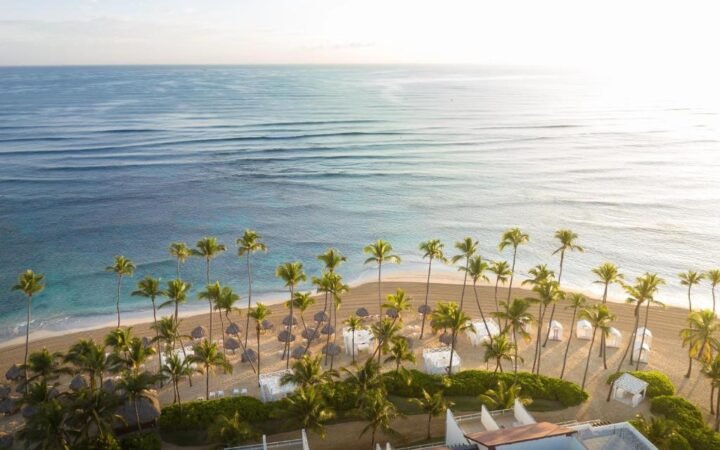
Picking from the best beaches in Punta Cana is really a choice between personalities. The region’s 40-plus miles of coast run from the gated, glassy bay of Juanillo in Cap Cana, through the classic white sand of Bávaro and Arena Gorda, to the surf of Macao and the quiet golden stretch of Uvero Alto. Some are calm enough for toddlers, some are better for a long walk than a swim, and seaweed hits each one differently.
This guide compares every major beach on water conditions, public access, sargassum and the resorts that sit on it, so you can choose where to stay rather than just where to visit.
Best beaches in Punta Cana compared
| Beach | Typical water | Best for | Public access | Drive from PUJ |
|---|---|---|---|---|
| Juanillo (Cap Cana) | Very calm, shallow | Couples, families with small kids | Via the Cap Cana gate with ID; beach club spend often required | About 15 min |
| Bávaro (south and center) | Mostly calm, reef offshore | Classic beach holiday, swimming | Several public entrances | About 20 to 25 min |
| Los Corales and El Cortecito | Calm, busier | Beach bars, walks, local life | Easy, public | About 20 to 25 min |
| Arena Gorda | Usually gentle | Big resorts, long walks | Very limited | About 25 to 30 min |
| Macao | Waves and currents | Surfing, scenery, local weekends | Public car park | About 30 to 40 min |
| Uvero Alto | Can be rough on windy days | Seclusion, quieter resorts | Limited | About 40 to 60 min |
| Cabeza de Toro | Shallow, calm lagoon | Snorkeling, short transfers | Via the small marina | About 18 to 20 min |
| Cabo Engaño | Exposed, undeveloped | Scenery and adventure | Rough sandy tracks | Varies |
Juanillo Beach (Cap Cana): the calmest and most polished
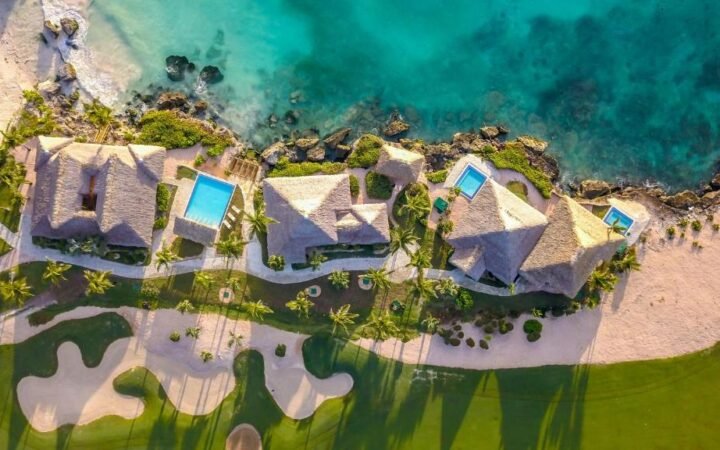
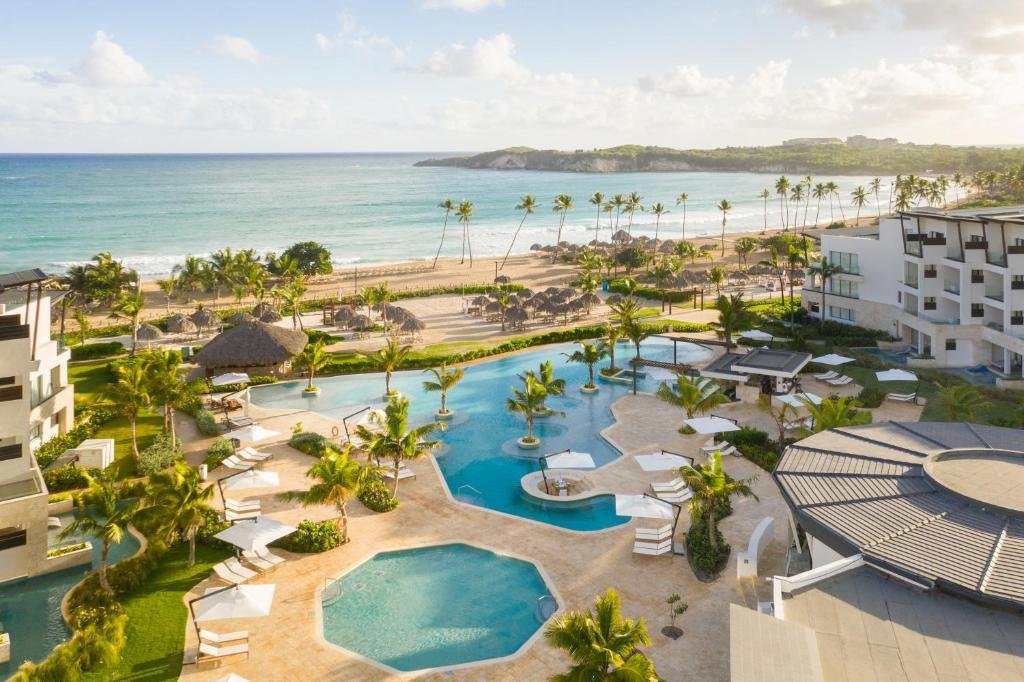
Juanillo is the beach most people picture when they think of a luxury Punta Cana stay: a long curve of powder-soft sand, coconut palms and shallow, glassy turquoise water inside the gated Cap Cana community, only around 15 minutes from the airport. The water is so shallow in places that it is better for wading and floating than for lap swimming, which is exactly why families with young children love it.
Non-guests can visit, but you must pass the Cap Cana security gate (bring ID) and the main public spot is a beach club where loungers come with a food and drink spend. Cap Cana is cleaned intensively, but Juanillo is not immune to sargassum in heavy years. Our Juanillo Beach guide covers access and day passes, and the Cap Cana travel guide explains the wider area. To stay right on the sand, compare Hyatt Ziva, Hyatt Zilara and Secrets Cap Cana.
Bávaro Beach: the classic Punta Cana postcard
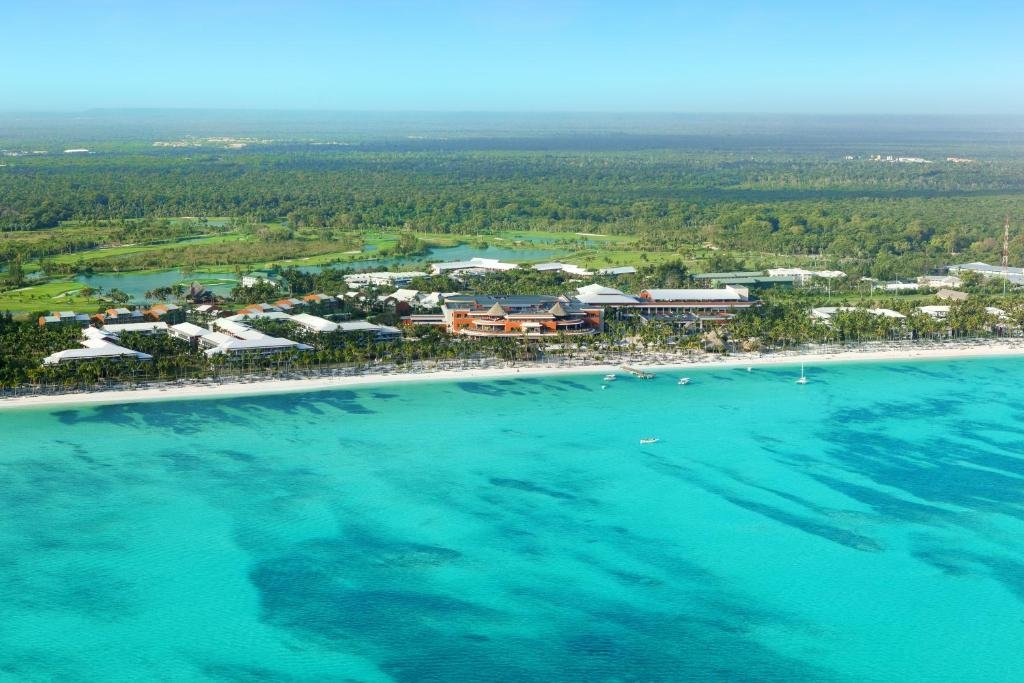
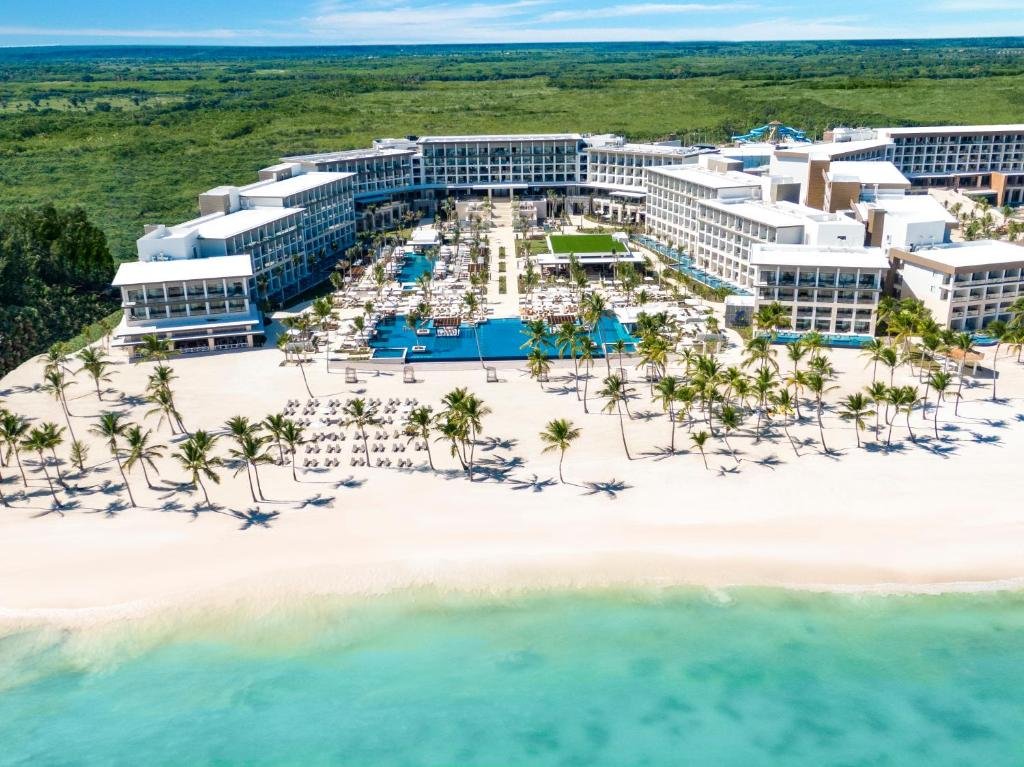
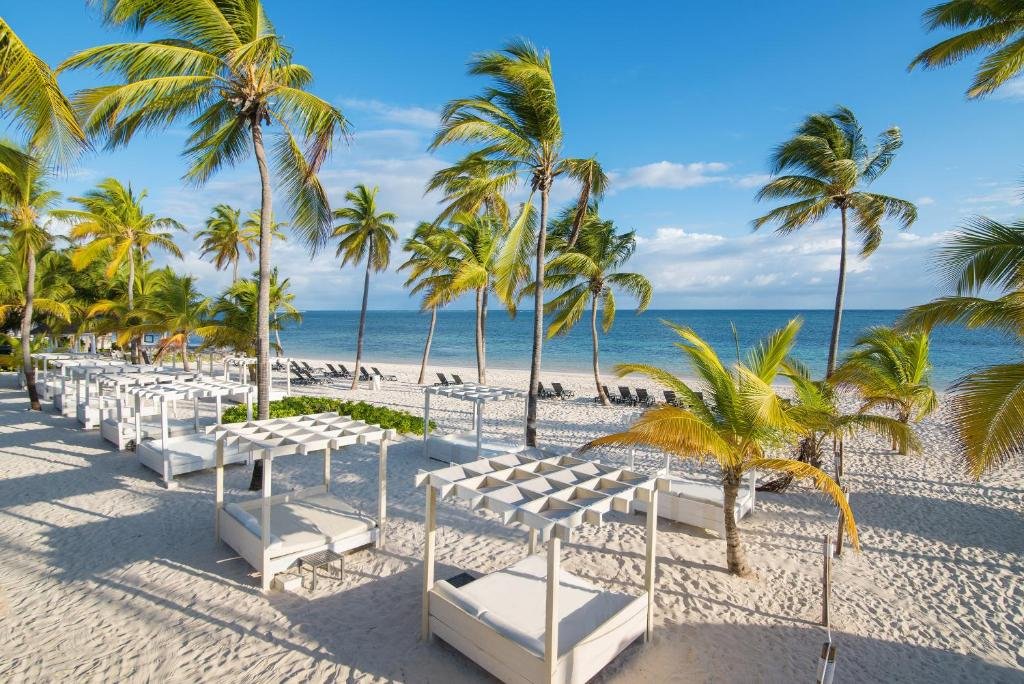
Bávaro is the long, palm-lined beach that put Punta Cana on the map, and it is still the best all-rounder. A reef offshore takes the edge off the Atlantic swell along much of its length, so on most days the water is calm enough for comfortable swimming, especially on the southern stretch in front of resorts such as Barceló Bávaro Palace and Lopesan Costa Bávaro. The sand is fine and white, and you can walk for miles.
The downside of fame is activity: parasailing boats, catamarans and vendors work the busiest sections. If you want the Bávaro look with more peace, choose a resort on the southern end. Our Bávaro, El Cortecito and Arena Gorda area guide maps the resorts and local spots, and our Barceló Bávaro Palace review covers one of the calmest swimming stretches. Couples can also look at our Secrets Royal Beach review, an adults-only resort on central Bávaro.
Los Corales and El Cortecito: the public, walkable heart
Los Corales and El Cortecito are where Bávaro Beach feels most like a real place rather than a resort zone. Public entrances lead to beach bars, seafood restaurants, dive shops and craft stalls, and the narrow sand in El Cortecito is the starting point for long walks in either direction. It is busier and the vendors can be persistent, and public sections are usually cleaned less often than resort beaches during sargassum season. Weekdays are quieter. For lunch with your feet in the sand, see the best beachfront restaurants in Punta Cana, and for the area itself our guides to El Cortecito’s beach walk, markets and cafés and to staying in Los Corales.
Arena Gorda: long, wide and resort-lined
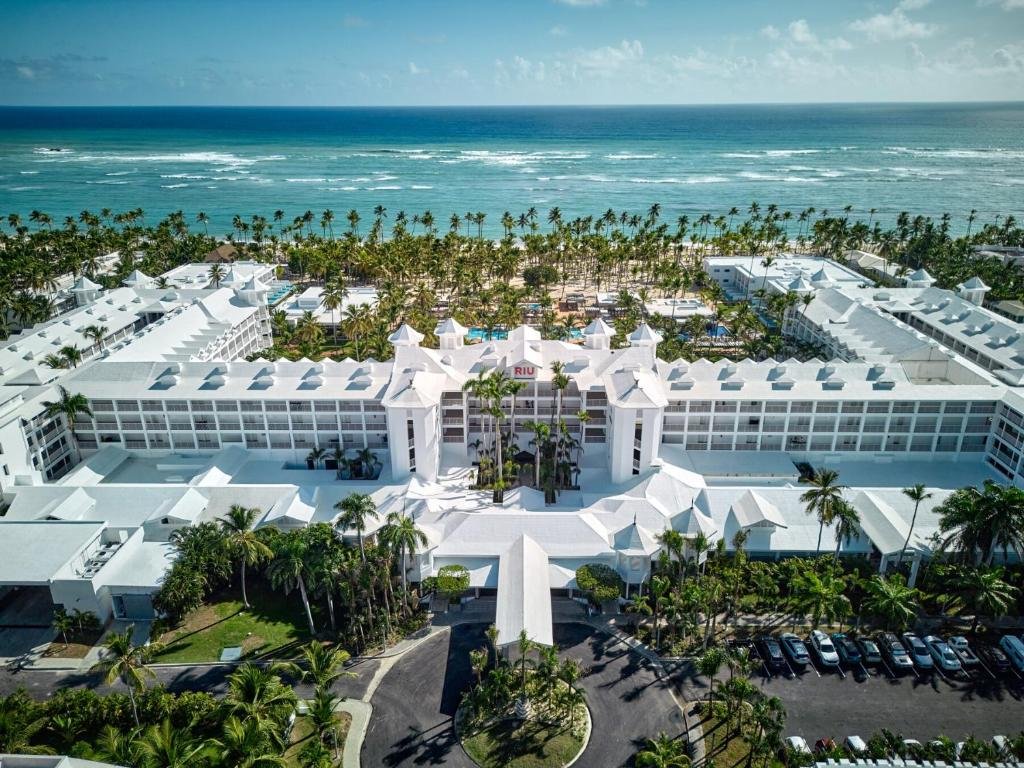
North of El Cortecito, Bávaro becomes Arena Gorda, a long, wide sweep of white sand backed almost entirely by large all-inclusives, including the RIU complex, the three Majestic resorts, Caribe Deluxe Princess and Bahia Principe. The water is usually gentle and turquoise, and the beach is wonderful for long walks. The catch is access: there are very few public entrances, so this is a beach you enjoy by staying on it. Our Bávaro vs Arena Gorda comparison explains the differences, and the RIU comparison and Majestic comparison help you pick a resort.
Macao Beach: wild, scenic and the best for surfing
Macao is the most dramatic beach in the area, a crescent of golden sand framed by limestone cliffs, and it remains a public beach where local families gather on weekends. It is also the most open to the Atlantic: waves are bigger and currents can be strong, which makes it Punta Cana’s surf beach, with several schools offering beginner lessons. Swim only in calm patches and follow local advice. Simple beachfront eateries serve fried fish, and buggy tours often stop here. Read our Macao Beach surfing guide and, for a stay, our Dreams Macao Beach review.
Uvero Alto: quiet, golden and a little wilder
Uvero Alto is the northernmost resort beach, a long stretch of golden sand with far fewer people than Bávaro. The trade-offs are distance (roughly 40 minutes to an hour from the airport), few independent restaurants and a sea that can turn rough on breezy days, with sargassum levels that vary from week to week. Its resorts make up for it with space and seclusion. Our new Uvero Alto guide covers the resorts, drive times and who it suits.
Cabeza de Toro: shallow, calm and close to the airport
Cabeza de Toro, just south of Bávaro, has some of the shallowest, calmest water in Punta Cana thanks to a protective reef, which also makes it one of the better spots in our snorkeling and diving guide. It is only around 18 to 20 minutes from the airport, and several resorts here use floating barriers to hold back seaweed. Public access is via the small marina, and Pearl Beach Club is the best-known place for a day out. See our Cabeza de Toro area guide, the best beach clubs and our Catalonia Bávaro vs Royal Bávaro comparison.
Cabo Engaño: the wild eastern tip
Cabo Engaño, a little north of the airport, is usually described as the easternmost point of Hispaniola and is marked by a lighthouse. It is undeveloped coast reached by rough, sandy tracks that often need a 4×4, there are no services, some visitors report litter, and access across private land has been disputed. Go for the scenery and the sense of being at the edge of the island, ideally with a local guide, not for a lounger-and-cocktail beach day.
Are Punta Cana beaches public? Resort beaches vs public access
Yes. Dominican law (Law 305-68 and the environmental Law 64-00) treats the strip of coast up to 60 meters inland from the high-tide line as public property, and in July 2026 the Tourism Minister publicly stated that resort security cannot block public access to beaches. In practice, though, there are limits:
- You cannot cross private resort grounds to reach the sand; you need a public entrance or to walk along the shore.
- Loungers, umbrellas, towels, bars and toilets belong to the resorts and are for guests.
- Gated communities such as Cap Cana control vehicle access, even though the beaches themselves are public.
If you want resort-level comfort on a beach where you are not staying, buy a resort day pass or book a beach club.
Sargassum season: when and where it hits
Sargassum seaweed is the biggest variable on Punta Cana’s east-facing beaches. Arrivals usually build from late spring and peak in summer, roughly May to August, while October to March is typically the lowest-risk period, although every year is different and 2026 has been a heavy year across the Caribbean. Bávaro, Arena Gorda and Cabeza de Toro tend to be hit hardest, while the Caribbean coast around Bayahibe and Saona Island usually sees much less.
Resort beaches are raked early every morning and some use floating barriers, so a resort beach can look clean while a public stretch next door does not. Our sargassum guide explains which resorts have barriers, and our best time to visit Punta Cana guide puts seaweed, weather and prices side by side. If a guaranteed calm, clean sea matters most, consider the Bayahibe and La Romana coast.
Which Punta Cana beach should you stay on?
| Hotel | Area | Beach & Seaweed | Best for | Price level | Booking.com |
|---|---|---|---|---|---|
| Hyatt Ziva Cap Cana | Cap Cana (Juanillo Beach) | Protected Juanillo Beach bay with calm turquoise water (sargassum varies by season) | Families wanting 5-star food, Canapolis waterpark, swim-up suites & calm Juanillo Beach | Luxury | Check prices |
| Barceló Bávaro Palace | Bávaro Beach South | Generally calm beach sheltered by a natural coral reef (sargassum varies by season) | Swimmers wanting calm reef-protected lagoon water, golfers (The Lakes course), multi-gen families | Upscale | Check prices |
| Impressive Premium Punta Cana | El Cortecito (Bávaro Beach) | El Cortecito / Bávaro Beach featuring Punta Cana’s iconic wooden pier over the sea | Travelers & families wanting VIP club perks (private pool, priority reservations & room service) at a mid-range price | Moderate | Check prices |
| Hotel Riu Palace Macao - Adults Only | Arena Gorda (RIU Resort Complex) | Prime Arena Gorda white-sand beachfront shaded by hundreds of coconut palms | Adults wanting a completely renovated (2023) resort, Elite Club swim-up suites & Riu Party access | Upscale | Check prices |
| Dreams Macao Beach Punta Cana | Playa Macao (North Punta Cana) | Dramatic limestone cliff views on Playa Macao (breezy surf & golden sand) | Families with kids/teens (waterpark + bowling + arcade) & groups booking 2-Bedroom Presidential Villas | Upscale | Check prices |
| Zoëtry Agua Punta Cana | Uvero Alto (North Coast) | Secluded, uncrowded 200-yard stretch of golden Uvero Alto beach | Honeymooners, wellness seekers, travelers who hate mega-resorts & towel games | Luxury | Check prices |
| Catalonia Royal Bávaro - Adults Only | Cabeza de Toro | Cabeza de Toro beach (close to PUJ Airport; floating sargassum barrier installed) | Couples seeking affordable adults-only swim-up suites, wood-fired beachfront pizza & 24h room service (Privileged) | Moderate | Check prices |
- Families with small children: Juanillo or Cabeza de Toro for shallow, calm water.
- Couples who want to walk out to bars and restaurants: Bávaro near Los Corales or El Cortecito.
- Big-resort fans: Arena Gorda.
- Surfers and scenery lovers: Macao.
- Privacy seekers: Uvero Alto.
For the full picture of each zone, read our where to stay in Punta Cana guide, and when you are ready to leave the sand, our things to do in Punta Cana pillar lists the best excursions.
Swim with the flags
Most resort beaches use colored flags to signal sea conditions, and public beaches often have no lifeguard at all. On Macao, Uvero Alto and other open stretches, a red flag means stay out of the water. Use reef-safe sunscreen to protect the reef that keeps Bávaro calm.
Frequently Asked Questions
Which beach in Punta Cana has the calmest water?
Juanillo in Cap Cana and Cabeza de Toro have the shallowest, calmest water, followed by the reef-sheltered southern end of Bávaro Beach. Macao and, on windy days, Uvero Alto are the roughest.
Which Punta Cana beaches have no seaweed?
No east-facing beach is guaranteed seaweed-free in season. Resorts with daily cleaning and floating barriers keep their sand clearest, and the Caribbean coast around Bayahibe and Saona usually sees far less sargassum than Bávaro.
Are the beaches in Punta Cana public?
Yes, the first 60 meters inland from the high-tide line are public by law. You still need a public entrance or must walk along the shore, and resort loungers, towels and bars are only for guests.
Is Bávaro or Arena Gorda the better beach?
They are the same continuous beach. Bávaro has more public access, bars and restaurants, while Arena Gorda is wider, quieter and lined with large resorts, with very few public entrances.
Can you swim at Macao Beach?
Yes, on calm days and in sheltered patches, but waves and currents are stronger than on Bávaro and lifeguard coverage is not guaranteed. Watch the flags, ask locals and leave the open surf to the surfers.